
Blog
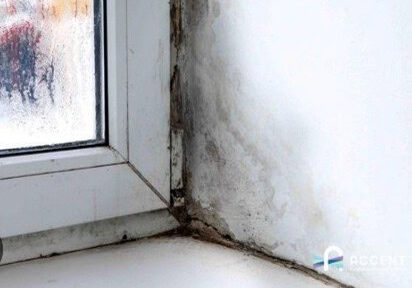
Damp and Mould in Rented Properties
by: Jacky Squire
February 24, 2026
Damp and mould are among the most common issues in rented homes — and also one of the most misunderstood. Left unresolved, they can damage the property, affect tenant health, and lead to disputes about responsibility.
The good news is that most problems can be prevented or resolved quickly when both landlords and tenants understand their roles and legal obligations.
Condensation is the most common cause in rented homes, but penetrating damp, leaks, or insulation problems can also be responsible.
Why it matters
Damp and mould are not just cosmetic issues. They can:
Damage walls, ceilings, carpets and furnishings
Cause unpleasant odours
Lead to timber decay and long-term structural problems
Trigger respiratory issues, especially for children or vulnerable occupants.
That’s why both landlords and tenants have a duty to act early.
Landlord responsibilities
Landlords must ensure the property is structurally sound, safe and properly maintained.
This typically includes:
Maintaining the structure of the property
Roof, walls, windows and gutters in good repair
No leaks or penetrating damp
Adequate insulation where required
Keeping installations in working order
Heating systems must function properly
Extractor fans should work in kitchens and bathrooms
Plumbing must not leak
Investigating reported problems promptly
If a tenant reports damp, landlords should:
Inspect quickly
Identify the cause
Arrange repairs where needed
If mould results from a building defect, the responsibility sits with the landlord.
Tenant responsibilities
Tenants also play a key role in preventing condensation-related mould. They should:
Ventilate the property
Open windows regularly
Use extractor fans when cooking or showering
Keep trickle vents open where fitted
Heat the home reasonably - A consistently cold property increases condensation risk.
Reduce moisture build-up
Avoid drying clothes on radiators without ventilation
Keep lids on pans when cooking
Wipe condensation from windows and sills
Report problems early - Small issues become large ones when ignored. Tenants should notify the landlord or agent as soon as damp appears.
Legal responsibilities around damp and mould in rented homes
Damp and mould are not just maintenance issues — they can be considered legal housing hazards if not addressed properly. UK legislation places clear obligations on landlords to ensure rented properties are safe and fit for occupation.
Fitness for Human Habitation
Under the Homes (Fitness for Human Habitation) Act 2018, rental properties must be fit to live in at the start of the tenancy and throughout it. A property may be considered unfit if serious damp or mould is present. Tenants have the right to take legal action if the landlord fails to resolve hazards within a reasonable time after being notified.
Housing Health and Safety Rating System (HHSRS)
Local authorities assess housing conditions using the Housing Health and Safety Rating System. Damp and mould fall under the category of excess cold and damp hazards. If a council identifies a serious risk, they can:
Require the landlord to carry out repairs
Serve an Improvement Notice
Carry out emergency remedial action
In extreme cases, restrict use of the property
Repair obligations in law
Section 11 of the Landlord and Tenant Act 1985 requires landlords to:
Keep the structure and exterior in repair
Maintain heating and hot water systems
Repair pipework, drains and ventilation systems
If damp is caused by roof leaks, plumbing faults, structural defects, or failed ventilation systems, the landlord is legally responsible for fixing the issue.
Tenant responsibilities in law
Tenants must:
Use the property in a “tenant-like manner”
Ventilate and heat the property reasonably
Report problems promptly
If mould occurs mainly due to lifestyle factors (for example persistent lack of ventilation), responsibility may be shared — but landlords must still investigate before reaching any conclusion.
A growing focus on mould prevention
Recent housing guidance and enforcement trends make it clear that damp and mould complaints should never be ignored. The expectation is that landlords act early, investigate properly, and prioritise building performance before assuming lifestyle causes.
In short, the direction of travel in housing law is towards prevention, documentation and prompt action.
Download our Landlord Damp & Mould Guide
To help you prevent issues before they start, we’ve produced a free guide covering:
 How to identify the type of damp
- What landlords must legally repair
- What tenants should do day-to-day
- Simple prevention tips that really work
- When professional treatment is needed
- How to stay compliant and avoid disputes
 How to identify the type of damp
 Download your free copy today - you can find this in our Free Resources tab.