
Blog
Can Tenants Change Utility Suppliers, Meters and Media Equipment?
by: Jacky Squire
October 6, 2026
Can tenants change energy suppliers? Can they install a smart meter or satellite dish? And do they need their landlord’s permission to install broadband?
These are common questions for both landlords and tenants, particularly when a tenant wants to find a better deal on their energy, upgrade their broadband or install their own TV and media equipment.
The good news is that tenants generally have considerable freedom to choose the services they use in their rented home. However, there is an important distinction between changing a service and making physical changes to the property.
Here’s what landlords and tenants need to know.
Can tenants change their energy supplier?
Yes, tenants can choose their own gas and electricity supplier if they are paying the supplier directly for the service (i.e. not included in the rent).
A landlord will generally not be able to insist that a tenant remains with a particular energy company.
Tenants may therefore shop around and switch to a different supplier or tariff if they find a better deal.
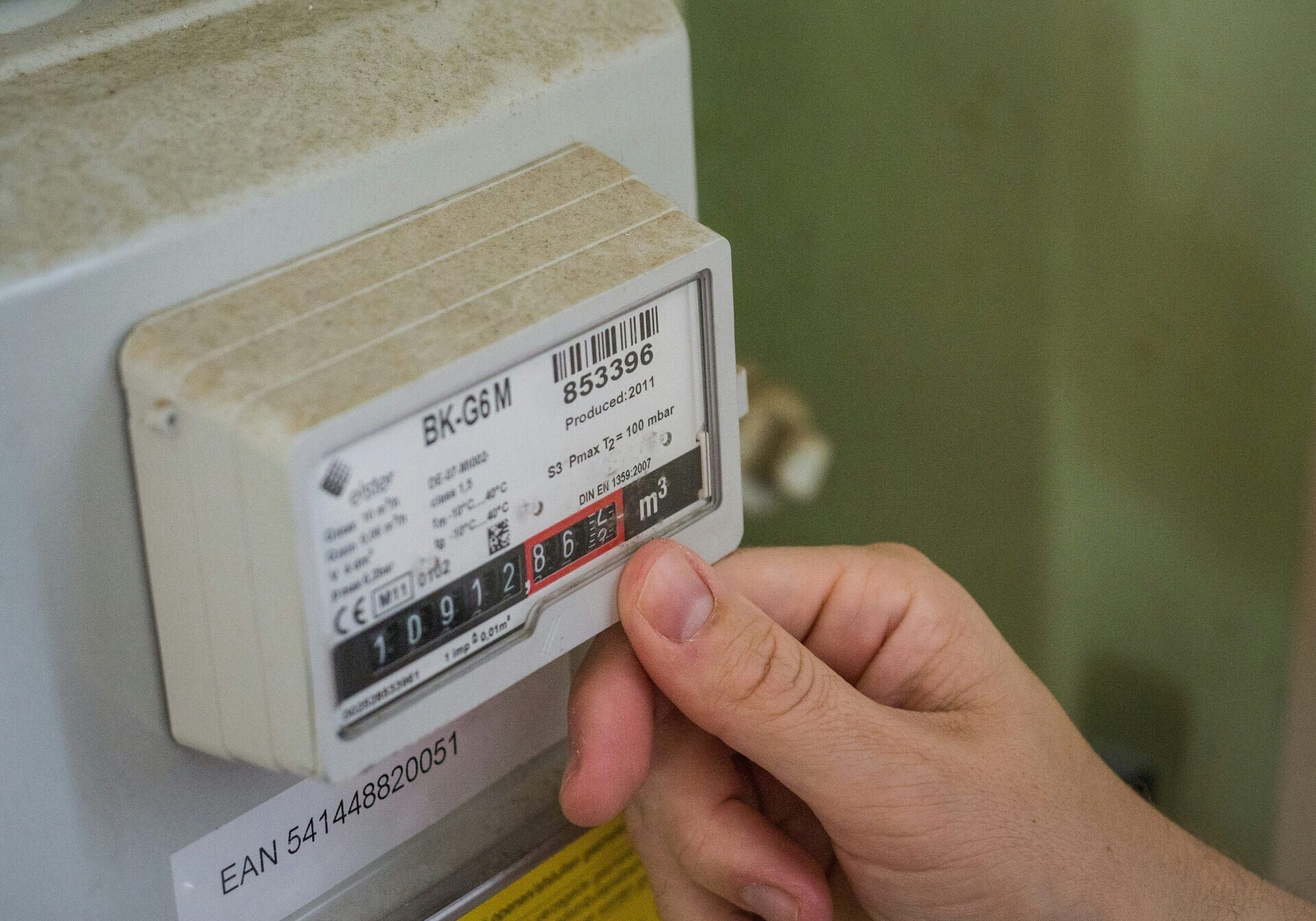
Can a tenant change the type of energy meter?
As the bill payer, tenants can choose have a smart meter installed.
Before arranging any significant meter changes, tenants should check their tenancy agreement and speak to their landlord or letting agent. This is particularly important if the proposed work could affect the property, meter cupboard or future occupants, for example if a tenant wants to switch to a pre-payment meter.
Can tenants choose their own water supplier?
Unlike gas and electricity, tenants cannot normally choose their own water company.
Water and wastewater services are generally determined by the location of the property, meaning that the property will usually be served by the relevant regional water company.
The tenancy agreement should make clear whether the landlord or tenant is responsible for paying the water charges.
Can tenants change their broadband provider?
Yes. Tenants are generally free to choose their own broadband provider.
A tenant may want to switch broadband provider, upgrade their internet connection or arrange a new service during their tenancy.
However, there is an important consideration: how the broadband is installed.
If the installation simply involves connecting a router to an existing connection, permission is not usually required
If the broadband provider needs to:
- Drill through an external or internal wall
- Install new cables
- Attach equipment to the outside of the property
- Make holes or other alterations
- Install a new external connection
the tenant should speak to the landlord or letting agent before the installation takes place.
Choosing a broadband service is one thing; making a physical alteration to the property is another.
Can tenants install a satellite dish?
Tenants should obtain permission before installing a satellite dish.
A satellite installation can involve drilling into walls, attaching equipment to the building and running cables through the property. These are physical alterations and should not normally be undertaken without the landlord’s agreement.
A landlord may be happy to allow a satellite dish to be installed, but may reasonably want to agree:
- Where the dish will be positioned
- How it will be attached
- Where cables will run
- Who will carry out the installation
- Who will remove it at the end of the tenancy
- Who will be responsible for repairing any damage
Getting agreement in writing before installation can help avoid disagreements later.
Can tenants install TV and media equipment?
Tenants can generally use their own televisions, streaming devices, games consoles, routers and other removable equipment without needing permission.
They can also arrange their own TV, streaming and media subscriptions.
The situation is different where equipment needs to be permanently attached to the property.
For example, a tenant may want to wall-mount a television, install additional sockets, run cables through walls or fit an external aerial.
These types of alterations may require the landlord’s permission.
What about existing equipment?
If a rented property already has a satellite dish, aerial, television bracket or other media equipment belonging to the landlord, tenants should not simply remove it because they do not use it.
If the tenant wants to remove, replace or alter existing equipment, they should discuss this with the landlord or letting agent first.
What changes require a landlord’s permission?
A useful way for tenants to think about this is:
Changing a service is usually different from changing the property.
For example:
| Change | Landlord permission? |
| Switching gas or electricity supplier | Generally no |
| Choosing a different broadband provider | Generally no |
| Changing TV or streaming provider | Generally no |
| Installing a router using an existing connection | Generally no |
| Installing a new broadband cable | Check with landlord/agent first |
| Installing a satellite dish | Ask permission first |
| Drilling holes to mount equipment | Ask permission first |
| Removing landlord-owned equipment | Ask permission first |
| Making permanent alterations | Ask permission first |
The exact position can depend on the tenancy agreement and the nature of the proposed work, so tenants should always check before making physical alterations.
What happens when the tenant moves out?
Tenants should make sure that any utility and media services they have arranged are properly dealt with when they leave.
This can include:
- Providing final gas and electricity meter readings
- Closing or transferring utility accounts
- Cancelling or transferring broadband services
- Cancelling TV and streaming subscriptions
- Removing tenant-owned equipment where appropriate
- Making good any damage caused by installations
- Leaving landlord-owned fixtures and equipment at the property
If a tenant has installed equipment with the landlord’s permission, they should check whether it needs to be removed at the end of the tenancy or whether it can remain at the property.
Why communication between landlords and tenants matters
Most issues surrounding utility meters and media equipment can be avoided with a simple conversation.
Landlords should generally expect tenants to choose the utility and communication services that suit their needs and a variety of options generally benefits the property. At the same time, tenants should understand that renting a property does not necessarily give them permission to make physical alterations to it.
If an installation involves drilling, fixing, removing, attaching, cabling or altering the property, it is always sensible to ask the landlord or letting agent before going ahead.
For landlords, having clear provisions within the tenancy agreement can also help set expectations from the beginning of the tenancy.
Key takeaway for landlords and tenants
Tenants can generally choose their own utility suppliers and media services, but they should seek permission before making physical alterations to a rented property.
Switching energy supplier, changing broadband provider or subscribing to a different streaming service is very different from installing a satellite dish, drilling through a wall or permanently attaching equipment.
If you’re unsure whether a proposed change requires permission, ask before making the change. A quick conversation between the tenant, landlord and letting agent can help prevent unnecessary damage, disputes and costs further down the line.
Landlords – need help managing your rental property?
Keeping up with the responsibilities of being a landlord can be challenging, particularly as the rules surrounding the private rented sector continue to change.
Our fully managed letting service can help landlords with the day-to-day management of their rental properties, from finding and referencing tenants through to tenancy management and ongoing support.
If you’re considering letting a property or would like to discuss our property management services, get in touch with our team today.